

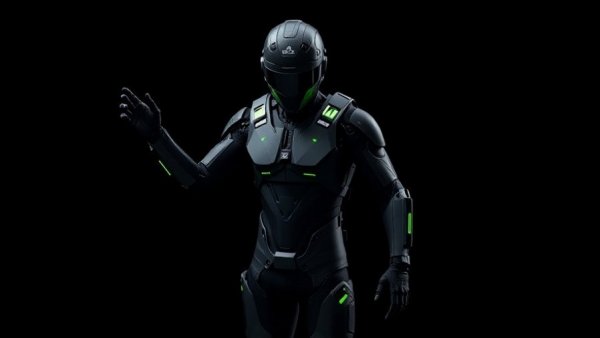
Unveiling 10 Wearable Technologies to Transform Mobility
In a world where technology continually evolves to enhance our daily lives, wearable tech is a remarkable frontier, particularly for mobility. From assisting those with physical challenges to improving the efficiency of manual laborers, innovations in this space are making significant strides. Here, we delve into 10 incredible wearable devices that make walking and lifting considerably easier, while ensuring that everyone, including older adults and workers, can maintain their independence and productivity.
In '10 Wearable Technologies That Make Walking and Lifting Easier!', the discussion dives into the world of wearable technologies, exploring key insights that sparked deeper analysis on our end.
1. The Schmelz Nexo Pro: Redefining Heavy Lifting
The Schmelz Nexo Pro exoskeleton stands out as a game-changer for warehouse workers and others in physically demanding jobs. Designed without motors or batteries, it uses mechanical springs to support movements, reducing back strain by up to 30%. As workers bend to lift boxes, the energy stored in the mechanism helps alleviate the strain, showcasing how innovation can enhance manual labor efficiency while minimizing injury risks.
2. Yulon Shadow Dance: Emotionally Intelligent Mobility
Yulon's Shadow Dance introduces a new emotional dimension to mobility technology. This powered hip exoskeleton adjusts its support based on the user's stride and surrounding terrain, adapting dynamically in real-time. By recognizing the emotional state of the user—whether calm, excited, or tired—Shadow Dance offers not just mobility support but also an empathetic response to the individual’s condition, making walking more intuitive.
3. Matex XGO: Above and Beyond for Laborers
Designed for those who engage in overhead tasks, the Mate XGO utilizes a passive spring mechanism to provide arm support without the awkwardness of motors. Ideal for construction and fruit picking, this technology reduces muscle effort by half, transforming how workers interact with their environment. The lightweight frame promotes longer, more comfortable shifts without the fatigue typically associated with manual labor.
4. Sidekick by Deafy: Enhancing Natural Movement
The Sidekick delivers a boost to each step, enhancing the natural movement of the ankle. Research-backed and user-friendly, it learns the walking style of its owner and adjusts its assistance impeccably. This compact device makes everyday walking easier, showing how technology can complement our body’s natural capabilities.
5. Navy XOS Pro: The Future of Hiking
Weighing in at just 4 pounds, the Navy XOS Pro is built for outdoor adventurers. With anticipated features like rapid response to various activities, it promises to enhance mobility while carrying gear. Designed with hikers, photographers, and anyone who enjoys the outdoors in mind, this exoskeleton exemplifies how nature and technology can blend to facilitate adventures.
6. Wondercraft Eve: A New Era for Those with Disabilities
Wondercraft Eve marks a significant milestone for individuals with spinal cord injuries, being the first self-balancing personal exoskeleton approved for home use. With its autonomous balance system, users regain freedom of movement, allowing them to perform daily activities without the need for crutches. This groundbreaking technology not only symbolizes innovation but also hope for many seeking independence.
7. Suitex by Autobach: Ergonomics Meets Intelligence
Autobach’s Suitex is revolutionizing workplace ergonomics with its lightweight, motorized system that adjusts support dynamically during lifting. By reducing the load lifted up to 37 pounds, this tech not only eases chronic discomfort for workers but also helps companies maintain productivity levels without compromising employee health.
8. Hermo M1: Anticipating Challenges Ahead
The Hermo M1 takes mobility tech to the next level with its cutting-edge camera and sensors that scan terrain. By providing anticipatory assistance before users encounter obstacles like stairs or hills, it helps minimize the risk of falls and injuries, particularly for older adults. Such forward-thinking innovation emphasizes safety and supports confident mobility.
9. Festool Exoactive EXO8: Empowering the Trades
This unique exoskeleton combines tool functionality with body support, reducing muscle load while performing strenuous activities that require lifting. With its ability to run on standard power tool batteries, the EXO8 stands out as an ingenious solution to enhance work performance while prioritizing user comfort.
10. Alpok S1: Tailored for the Elderly
Designed specifically for older adults, the Alpok S1 exoskeleton learns from walking samples to support a natural gait rhythm. By effectively reducing energy use, it allows seniors to stay active longer. This technology is not just about support; it’s about enhancing the joy of walking in a user-friendly, health-conscious manner.
As these advancements illustrate, wearable technologies are forging a new path in mobility aid and ergonomic support. They not only improve quality of life but also remind us of the potential of human ingenuity to foster independence and strength.




Write A Comment