

Revolutionizing Emergency Response: How Video Can Save Lives
In a world where communication and technology are intertwined more than ever, the integration of live video capabilities within emergency services could redefine how we respond to crises. Across the United States, an increasing number of counties are upgrading their 911 systems to include live video functionality. This advancement allows dispatchers to see emergencies unfold in real-time, making vital decisions that can save precious minutes—and lives.
The Mechanics Behind Live Video 911
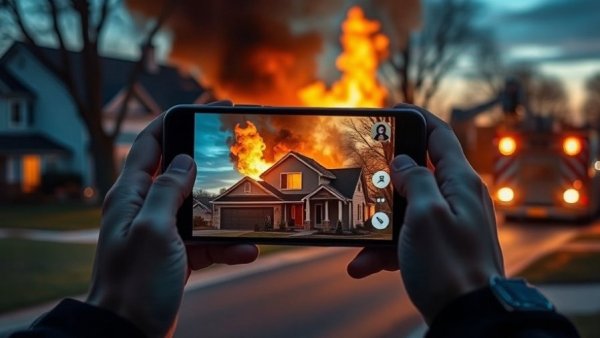
Wondering how this process works? When you dial 911, the dispatcher may ask if you can share video of the situation. They will send you a link via text message. By tapping on the link and granting access to your device's camera, they can observe the emergency as it happens. This capability means that dispatchers can assess the severity of a situation like a house fire and alert emergency responders even before they arrive on scene.
Real-World Impact: A Case Study
Consider the striking example from Chesterfield County, Virginia. When a fire broke out, a caller linked their 911 dispatcher to a live feed from their phone. The dispatcher, seeing the urgent conditions firsthand, was able to call for additional support even before firefighters had reached the location. This ultimately saved around five minutes—an invaluable amount of time in emergencies where every second counts.
Understanding Potential Risks
However, the advantages of this technology do come with caveats. Not all areas have adopted this feature yet, and an unprompted text claiming to be from 911 could very well be a scam. It’s essential to know that a legitimate video request will only occur once you’re on the phone with a dispatcher who informs you of the text. Any other unsolicited message should be treated with caution. A great way to stay informed is to search your county name plus "911 video" to see if this feature is operational in your area.
Prepare Your Family: Emergency Protocols
Families should be proactive about enhancing safety measures in their households. Teaching children how to contact 911 and familiarize them with your home address can empower them to act swiftly in emergencies. Also, understand device-specific panic features: for instance, iPhones allow users to call 911 by pressing the side and volume buttons together, while certain Android phones have a similar function. These small, crucial lessons can greatly improve response times in emergencies.
Future Trends: Expanding the Scope of 911 Services
As parts of the United States begin to prioritize this technology, we can expect a gradual rollout across more counties. The FCC is advocating for systems capable of taking multimedia messages, indicating we may soon see a more advanced 911 response framework nationwide. Enhanced connectivity and mobile technology will further streamline these critical responses.
In conclusion, the innovative integration of video into emergency response systems can modernize how we manage crises. It’s not just about innovating for the sake of technology; it’s about improving safety and outcomes in our communities. Keeping informed about these changes and preparing adequately can make a significant difference. Consider discussing these developments with loved ones to ensure everyone is ready should the unexpected occur.




Write A Comment