
Recognizing the Signs of Nutrient Deficiency
Have you ever felt unusually tired, experienced unexplained hair loss, or noticed unexpected changes in your skin? These could be signs that your body is missing essential nutrients. In a world where health and wellness often take a back seat, it's crucial to understand how our daily habits affect our nutritional intake. Missing essential nutrients can lead to a myriad of health issues, only some of which are obvious. Let’s dive deeper into the signs your body might be giving you about its nutritional needs.
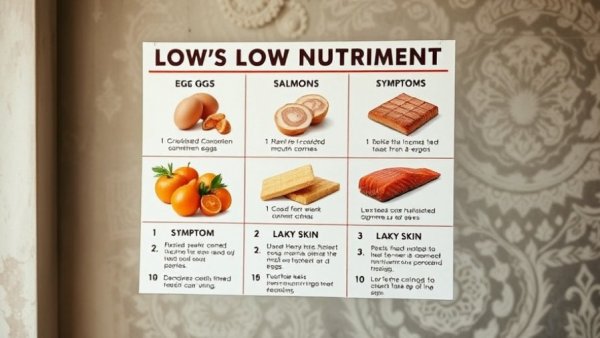
In '7 Signs Your Body Is Missing Essential Nutrients', the discussion dives into the critical signals our bodies send us about nutritional health, prompting us to expand on these vital insights.
Common Symptoms of Nutrient Deficiency
One of the most common indicators of nutrient deficiency is fatigue. If you're constantly feeling drained, it may be time to assess your diet. Specific vitamins, such as B12 and iron, are pivotal for energy levels, and a lack of these can leave you feeling sluggish. Furthermore, hair loss can imply that your body is low in essential fatty acids and proteins, critical for healthy hair growth and maintenance.
Skin changes, such as excessive dryness or unusual pigmentation, can also signal a nutrient deficiency. Essential fatty acids, vitamins A, E, and D, are directly linked to skin health. Similarly, a diet lacking in vitamin C can hinder your body's ability to heal and can impact your overall appearance.
Connecting Lack of Nutrients to Mental Health
Nutrition impacts not just our physical health but also our mental wellbeing. Emerging studies show that a balanced diet can improve emotional wellbeing, reducing feelings of anxiety and depression. Essential nutrients like omega-3 fatty acids, found in fatty fish, and antioxidants, found in colorful fruits and vegetables, play significant roles in brain health.
Importance of a Balanced Lifestyle in Houston
Houston, known for its bustling health and wellness community, offers numerous resources to help improve your nutrition and overall healthy living. From farmers' markets to wellness workshops, there are countless opportunities for residents to learn about balanced nutrition and wellness routines. Embracing local trends in nutrition can help foster an ongoing commitment to a healthier lifestyle.
How to Ensure You're Getting Enough Nutrients
For residents of Houston looking to boost their nutrition, consider adopting a more holistic lifestyle. This could involve exploring mindful eating habits, participating in community wellness education programs, or seeking out nutrition lifestyle tips that cater to your specific needs. Practical insights, such as keeping a food journal or utilizing digital health tools like health tracking apps can empower you to make informed choices about your diet.
Additionally, integrating fitness routines through outdoor activities, yoga classes, or walking trails can complement your diet and promote overall well-being. Our city’s vibrant outdoor wellness culture makes it easier to incorporate movement and mobility into our everyday lives.
Actionable Steps for a Healthier You
To ensure you’re getting the nutrients you need, start by reassessing your diet. Incorporate a variety of whole foods, including leafy greens, lean proteins, and healthy fats. Consider consulting with a healthcare provider or nutritionist who can guide you through understanding the specific nutrients your body may require. Remember, achieving a balanced lifestyle isn’t just about eating right; it’s about cultivating a community that supports your wellness journey.
If you're still unsure whether your symptoms could be related to nutrient deficiencies, or how to adopt better health practices in the Houston area, don't hesitate to reach out to local wellness resources that can provide support.




Write A Comment