

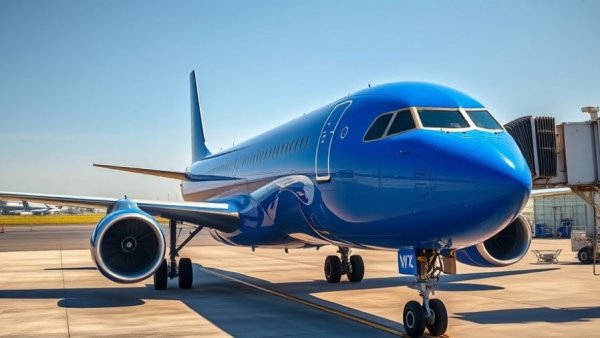
Nationwide Ground Stop: A Flight Disruption Like No Other
Across the United States, nearly 20,000 flights were thrown into chaos following an unprecedented nationwide ground stop. This rare event disrupted travel for thousands, leading to widespread cancellations and delays. Major airlines faced the brunt of the impact, as airports struggled to manage the influx of stranded passengers.
Which Airlines Took the Biggest Hit?
Among the major carriers, the airlines that experienced the highest volume of cancellations were well-known giants like American Airlines, Delta, and United. These carriers found themselves overwhelmed with the logistics of rescheduling and compensating passengers. Interestingly, budget airlines, such as Southwest and Spirit, also saw significant disruptions but managed to navigate the challenges with less public outcry.
Key Airports Affected by the Ground Stop
Airports that typically experience high passenger traffic were particularly hard hit. Major hubs such as Los Angeles International Airport (LAX), Chicago O'Hare (ORD), and Atlanta Hartsfield-Jackson (ATL) recorded the most cancellations, drastically affecting both domestic and international travel. The sudden halt in operations forced many travelers to face lengthy wait times and uncomfortable overnight stays in terminals.
The Ripple Effects on Local Economies
The widespread cancellations also sent ripples through local economies, particularly in cities heavily reliant on air travel. In Houston, for instance, where business and tourism intertwine, the ground stop hampered the Houston TX economy and prompted concerns about local business growth and stability. Small business owners, particularly those in the travel and hospitality sectors, expressed frustration at the operational interruptions caused by the shutdown.
Actionable Insights for Travelers
As flight disruptions become a more frequent occurrence in the modern travel landscape, passengers must stay informed and proactive. Tools like airline apps, social media updates, and travel insurance can provide essential information and protections. Travelers planning trips in the near future should also consider flexible booking options that allow for easy rebooking or cancellations.
Conclusion: A Call for Preparedness
This nationwide ground stop is a stark reminder of how interconnected our travel systems are. As the landscape continues to evolve, being informed and prepared has never been more crucial. Ensure you have contingency plans in place for your travels, including knowledge of airline policies, alternative transportation options, and understanding your rights as a passenger.




Write A Comment