
Fake Stores Are Targeting Holiday Shoppers: Here's What You Need to Know
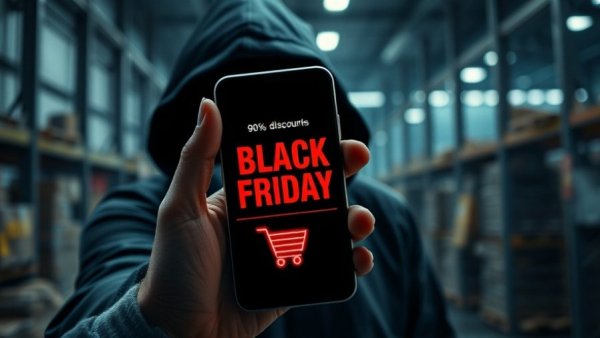
The holiday season may bring joy, but it also opens the door for scams, especially in the realm of online shopping. In a chilling report by the FTC, Americans lost a staggering $2.1 billion to scams linked to social media last year, with shopping scams topping the list. As we approach the bustling Black Friday sales, the threat of fake stores proliferates, disguised as legitimate retailers and tempting shoppers with irresistible deals.
Why Fake Stores Are So Deceptive
These fake stores are designed meticulously, often featuring authentic logos, product photos, and countdown timers that evoke urgency. A common tactic is displaying a pop-up notification like ‘Linda in Ohio just bought this!’ These layers of deception can envelop even the savviest consumers, making it easy to fall prey to these scams. It's crucial to be vigilant, especially when ads pop up on popular platforms like Facebook and Instagram, where 80% of fake store ads are found.
Recognizing the Warning Signs
When browsing, consumers should be on high alert. Here are essential tips to help spot a scam:
- Unbelievably low prices: If a deal seems too good to be true—a 70% discount on high-end goods—it's likely a trap.
- Brand new websites: Four in ten scam websites are less than 90 days old. Always search for the store’s name alongside the word 'scam' or 'reviews'.
- Suspicious web addresses: Be cautious of endings such as .shop or .store. Legitimate stores typically avoid these domains.
- Minimal contact information: A real store will offer customer service numbers and physical addresses. If it's just a contact form, beware.
- Funny payment methods: Scammers often require payment via Zelle, wire transfers, or gift cards. Reputable stores accept credit cards, which provide consumer protections.
How Technology Can Assist
While identifying scams can be challenging, incorporating technology into your shopping experience can be a game-changer. Using a trusted VPN, such as NordVPN, can help sift through the noise. With features designed to detect phishing websites and protector online security, these tools alert users to potential dangers before they act. By actively scanning links and known scams in the background, consumers can shop more safely.
Empowering Yourself as a Consumer
Arming oneself with knowledge is the best strategy against online scams. As shoppers gear up for the holiday season, being informed can prevent falling victim to fake deals. Stay educated, be skeptical, and always scrutinize before clicking ‘buy.’
In today’s fast-paced digital world, consumers have to be more careful than ever. Recognizing the signs of fake online stores is crucial for ensuring your hard-earned money is well spent this holiday season. Equip yourself with the right insights, and you’ll navigate the e-commerce landscape with confidence.




Write A Comment