
Understanding Fatty Liver Disease: What Does a Grade Two Diagnosis Mean?
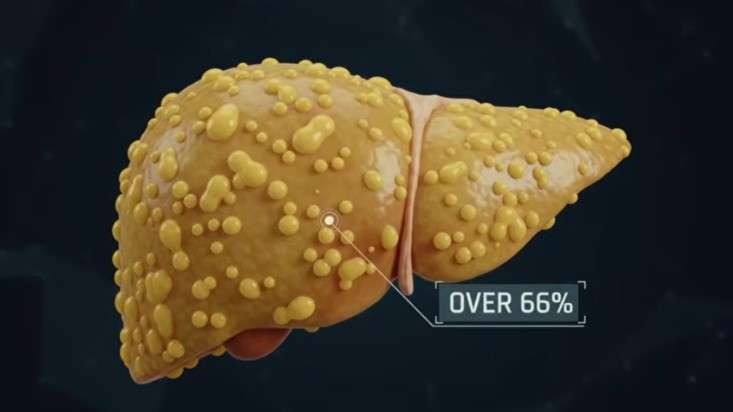
After a routine ultrasound, being diagnosed with a grade two fatty liver might spark confusion and anxiety. What does this mean for your health? A grade two fatty liver indicates that between 34% to 66% of liver cells are filled with fat. Although symptoms may not be evident, this condition can significantly impact liver function and overall health. Knowing the grading system—grade zero being healthy, and grade three indicating severe fat accumulation—can help you understand where you fall on this scale and underscore the importance of adjusting your lifestyle to manage potential symptoms.
In 'The Fastest Way to Reverse Fatty Liver,' the discussion dives into effective dietary changes and lifestyle modifications for managing liver health, prompting a deeper analysis of these insights.
Foods That Foster a Healthy Liver
Reversing a fatty liver doesn’t solely rely on medication or medical intervention; your diet plays a pivotal role. Here are eight foods that can aid in recovery:
Eggs: Packed with choline, eggs are low in carbs and support liver health.
Olive Oil: Rich in antioxidants, studies show that incorporating olive oil can reduce liver fat by nearly 39%.
Fatty Fish: Salmon and mackerel, high in omega-3 fatty acids, help reduce inflammation.
Garlic: Containing allicin, garlic activates metabolism to assist the liver in fat-burning processes.
Cruciferous Vegetables: Foods like kale and broccoli help detoxify the liver and improve health through their fiber content.
Sauerkraut: This fermented food not only supports digestion but has been linked to reduced liver enzymes.
Black Coffee: Research indicates that coffee consumption can support liver health.
Avocado: A key player in glutathione production, avocados help repair the liver while reducing inflammation.
The Importance of Fasting in Liver Health
Alongside dietary changes, incorporating fasting into your routine promises notable benefits for your liver. Advocates suggest intermittent fasting, like an 18-hour fast every day, can significantly reduce liver fat. By giving your liver a break from continuous food intake, it can focus on cleansing itself. Even extending to 48- or 72-hour fasts can escalate fat loss from the liver. However, it's crucial to monitor your sodium intake, as fasting can deplete your body’s sodium levels.
Embracing a Modern Wellness Lifestyle
For those in Houston striving for a healthier lifestyle, understanding how food plays a strategic role against health complications, including fatty liver disease, is vital. Adopting modern wellness habits means combining nutritional knowledge with physical activity tailored to your daily life. This holistic view not only builds a foundation for physical health but enriches emotional and mental wellness as well. As adults, taking actionable steps towards balanced nutrition, regular check-ups, and fostering a supportive community can lead to healthier aging and improved quality of life.
Take Charge: Make Informed Choices for Liver Health
By identifying the foods that support liver functionality and implementing fasting, you can reverse a fatty liver diagnosis and enhance your overall wellness. If you resonate with the information shared, consider adopting these strategies and reaching out to your healthcare provider to develop a tailored approach based on your health needs. It’s never too late to prioritize your health and start your journey towards a healthier liver.



Write A Comment