

Understanding Prolonged Fasting: Your Key to Healthy Living
Fasting is often viewed with skepticism, but research shows that prolonged fasting is a powerful method for promoting overall health and wellness. From aiding in weight loss to combating chronic diseases, the benefits are numerous.
In 'How Often Should You Fast to Burn Organ Fat?', the discussion dives into the powerful impacts of prolonged fasting on our internal health, particularly visceral fat. Today, we expand this topic to unpack its significance and provide actionable insights.
What You Need to Know About Visceral Fat
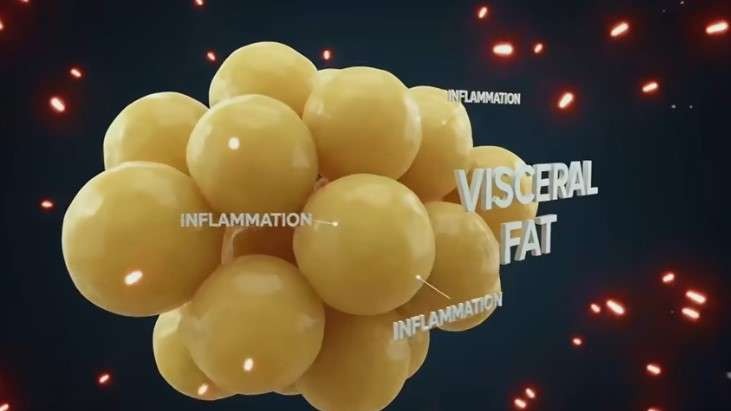
Visceral fat, often referred to as internal fat, can exist in individuals who appear to be slim from the outside. This type of fat surrounds vital organs like the liver and pancreas, leading to a higher risk of conditions such as diabetes and cardiovascular disease. It’s alarming yet crucial to recognize that just because you look fit does not mean your internal health is protected. The rise in visceral fat is commonly influenced by poor dietary choices, particularly high-carb diets with frequent snacking.
Prolonged Fasting: The Science Behind the Method
When it comes to burning visceral fat, prolonged fasting can be remarkably effective. As you initiate fasting, the body first uses its glycogen reserves. Once these are depleted, your body turns to fat, significantly reducing insulin levels that are linked to fat storage and inflammation. If you're worried about feeling starved or experiencing discomfort during fasting, it’s essential to prepare adequately. Gradually adjusting your diet through intermittent fasting can help ease the transition.
How to Start Prolonged Fasting and Avoid Common Pitfalls
Initially, consider doing intermittent fasting, like a 16-hour fasting window with an 8-hour eating period. Once you’re comfortable, you might shift to one meal a day (OMAD), allowing your body to adapt before attempting longer fasts. For those starting, it’s important to manage your sodium and potassium levels to avoid fatigue and other unpleasant symptoms during fasting. Solutions like consuming sea salt can effectively alleviate headaches and dizziness.
Implementing Wellness Practices into Your Life
In Houston, the focus on a holistic lifestyle is growing, encouraging residents to embrace wellness routines. Whether you’re exploring nutrition and activity or seeking mindfulness practices, understanding the role of fasting can be a transformative step. The connection between nutrition and mental health cannot be overstated; by managing your physical health through practices like fasting and adopting sustainable eating habits, you can improve your emotional well-being.
Steps to Seamlessly Incorporate Fasting into Your Routine
For successful fasting, consider starting with a two-night fast every two weeks, progressing to a weekly fast as you build confidence and experience. Regular fasting schedules are beneficial for not just weight loss but also for cleaning up cellular processes through autophagy, which contributes to better long-term health.
Conclusion: Embrace the Change for a Healthier You
Taking the step towards fasting might be daunting, but the science and benefits supporting it are undeniable. The experience not only improves physical health but can greatly enhance mental clarity and emotional wellness. It’s a journey that can lead to sustainable habits and a balanced lifestyle. If you’re ready to explore this modern approach to wellness, start integrating fasting into your routine to experience the benefits firsthand!





Write A Comment