

Understanding Rosacea: The Hidden Causes Behind Red Cheeks
For many, red, burning cheeks can be more than just a cosmetic concern; they can signal a deeper health issue known as rosacea. What many don't realize is that rosacea isn't just a skin problem, but rather intertwined with your gut health. Research shows that a staggering 80% of individuals suffering from rosacea also have active H. pylori bacteria in their stomach. This common bacterium can thrive under specific circumstances, destabilizing the gut microbiome and leading to symptoms that many attribute solely to skin conditions.
In 'Red Burning Cheeks? 1 Tsp of This Clears Rosacea in 30 Days,' we explore the connection between gut health and rosacea, leading to deeper insights on holistic approaches to treatment.
The Role of Gut Bacteria in Skin Health and Wellbeing
When discussing rosacea, one needs to consider the gut, specifically the presence of Small Intestinal Bacterial Overgrowth (SIBO). This imbalance, where bacteria proliferate in the wrong part of the intestine, exacerbates the problem. It's essential to recognize that effective treatments can often alleviate symptoms temporarily, but without addressing the root cause—often linked to our gut's microbial landscape—rosacea can resurface with vengeance. This cyclical nature highlights an important lesson in holistic health: what manifests on our skin often mirrors what’s occurring internally.
Histamine: The Trigger Hiding in Your Diet
Another significant factor to consider is histamine. An abundance of histamines, the chemicals responsible for triggering allergic reactions, can cause noticeable flushing in areas rich in capillaries, like the cheeks and nose. Surprisingly, certain healthy foods—such as spinach, avocados, and fermented items—contain high histamine levels, further complicating matters for individuals sensitive to histamines. This paradox of indulging in healthy choices but still experiencing adverse effects exemplifies the intricate relationship between diet and skin health.
Simplifying Treatments: The Power of Black Seed Oil
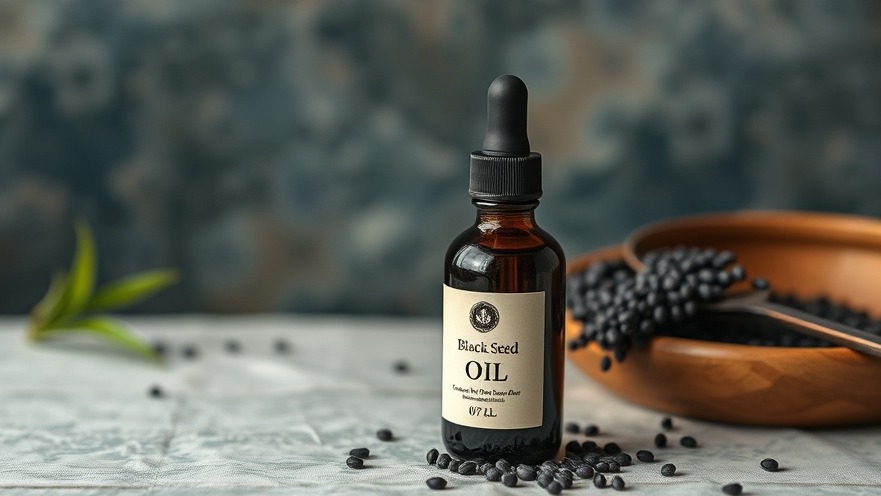
So, what can you do about rosacea? One solution gaining traction is organic cold-pressed black seed oil. This remarkable oil has shown potential in addressing both H. pylori and Candida overgrowth. In clinical studies, just two grams of black seed oil has proven effective in eradicating H. pylori—on par with standard antibiotic treatments but without the unwelcome side effects. Incorporating this into your morning routine could lead to significant improvements in not just your skin but your overall gut health.
Practical Tips for Managing Rosacea
While black seed oil is a promising remedy, holistic living also necessitates making some lifestyle adjustments. Avoiding high-histamine foods is crucial, just as prioritizing gut health through a balanced diet rich in fiber can support your body's natural ability to manage histamines. Additionally, incorporating mindfulness practices and stress management techniques, such as breathwork or gentle yoga, can enhance emotional well-being and potentially reduce skin flare-ups.
Understanding and addressing rosacea means looking at the bigger picture of health. For those dealing with this challenging skin condition, it’s a journey of self-discovery, dietary awareness, and embracing the holistic health approach. Delivering holistic remedies could not only relieve the visible symptoms but also pave the way for a balanced lifestyle filled with vitality.





Write A Comment