

What Caused the Nationwide Flight Shutdown?
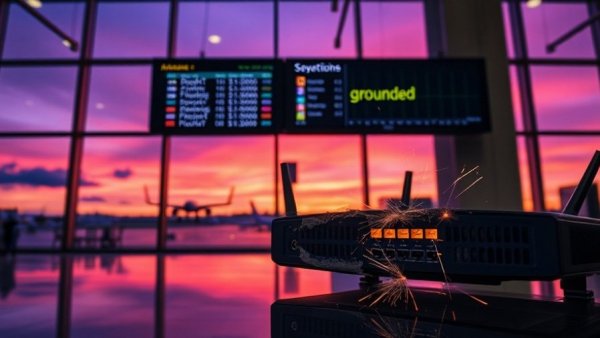
On a seemingly routine Friday afternoon, an unexpected disruption hit the skies as the FAA halted all departures in the United States. The culprit? A malfunctioning router. This incident, which saw over 9,000 flight cancellations, began when a new router was installed to replace an aging unit from the early 2000s, leading to chaos across the country’s air traffic control systems.
Understanding the FAA's Air Traffic System
The FAA manages an impressive volume of air traffic, juggling about 45,000 flights daily – that’s roughly 5,000 planes in the air at any given hour. Each flight is handled by three teams of air traffic controllers: the Tower team managing immediate airport surroundings, the TRACON team during mid-approach and descent, and an en route center for cruising altitude. This complex ballet of modern logistics highlights how one small technical glitch can ripple through the entire system.
The Real Changes Needed for Future Reliability
This incident highlighted not only immediate technical failures but also raised concerns about the outdated infrastructure of the FAA. Astonishingly, approximately 75% of air traffic systems are classified as unsustainable. The FAA even admits that some of its equipment, designed over six decades ago, is still in use. The new router's failure puts a spotlight on the urgent need for modernization in an area where technology is crucial for safety and efficiency.
Broader Implications for Technology and Automation
The incident underscores a significant trend in aviation and technology – reliance on outdated systems. As consumer technology progresses rapidly, we might think aviation would keep pace. However, routers built to last five years are still in service beyond two decades. In comparison, tech trends in Houston and nationwide show rapid advancements in consumer electronics, networking gear, and automation while aviation struggles to keep up. This incongruence can affect not only air travel but other sectors that rely on robust technology, highlighting a need for better infrastructure across the board.
The Takeaway for Consumers
As passengers, it’s crucial to understand the implications behind such a disruption. The chaos caused by a single router reboot brings to light the importance of reliable technology in our daily lives – a stark reminder of how infrastructure can dramatically affect connectivity and mobility. With modern consumers accustomed to seamless technology experiences, it's unsettling to realize how outdated systems manage critical operations like air travel.





Write A Comment