

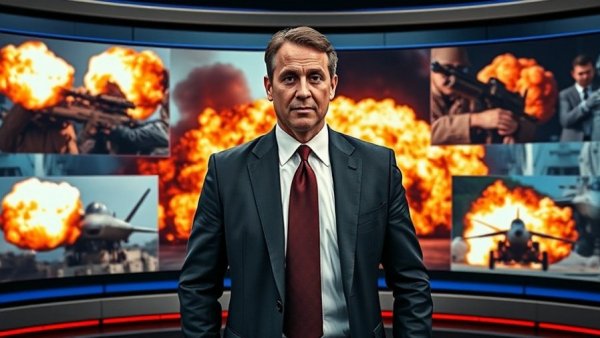
The Ongoing Tensions in the Gulf: A Tightening Blockade
The recent actions by the U.S. military in the Gulf of Oman serve as a stark reminder of the escalating tensions surrounding Iran. U.S. forces have actively enforced a blockade aimed at restricting Iranian oil exports, which have reached critically low levels. Retired Navy SEAL officer Mike Cerelli emphasized that this blockade is severely affecting Iran's economy and is a direct response to their increasingly desperate actions, including attempts to orchestrate oil shipments amid economic sanctions.
In 'There is NO deal to be done' with Iran: Navy SEAL veteran, the discussion dives into the complexities of U.S. military strategies in the Gulf, exploring key insights that sparked deeper analysis on our end.
U.S. Strategy and Iran's Response: A Game of Chess
President Trump's rhetoric reflects a tough stance on Iran, urging them to consider diplomatic overtures. However, the sentiment from military analysts like Cerelli suggests there might be no genuine desire from Tehran to negotiate. The complexities arise as discussions to alleviate sanctions occur alongside the continuous threat of military action. Cerelli points out the dangers of any potential agreement, raising concerns about Iran's compliance, particularly in nuclear matters, which could have long-term implications for global security.
Israel's Concerns: An Existential Threat?
Amidst these developments, Israel's alert regarding Iran's potential chemical weapons development amplifies fears in the region. The historical context of hostility from Iran towards Israel, combined with the current military posturing, raises questions about the future of security in the Middle East. This tension suggests the possibility of a more aggressive U.S. posture, as a nuclear-armed Iran poses a significant threat not only to Israel but also to the United States.
The Political Landscape: Implications for Future Engagement
As the political climate shifts in the U.S., Cerelli highlights the importance of Congressional actions affecting military funding and engagement in the region. The potential for Democrats to regain control could present a new challenge for Trump, especially concerning military strategy in the Gulf. The uncertainty surrounding U.S. policy further complicates the relationship with Iran, making any meaningful dialogue elusive while the blockade continues to assert pressure.
Future Implications: Navigating Uncertainty
The unpredictable nature of U.S.-Iran relations underlines the strategic importance of maintaining communication and intelligence-sharing with allies in the region. The ultimate goal remains clear: to prevent Iran from acquiring nuclear capabilities while evaluating how best to handle ongoing aggression. As tensions unfold, it is imperative for policy makers to balance diplomatic efforts with the military readiness necessary to respond to any provocative acts from Tehran.




Write A Comment