

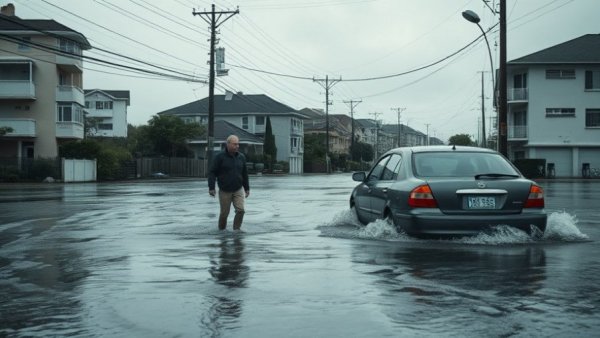
Severe Storms Devastate Thanksgiving Celebrations Across the East Coast
This Thanksgiving, millions across the East Coast faced severe weather that transformed holiday festivities into chaotic challenges. From New Jersey to Maryland, communities found themselves battling flash flooding, power outages, and the logistical nightmares of canceled travel plans. Reports indicated that over 600,000 homes lost power at the height of the storm, with New Jersey and Pennsylvania being the most significantly affected.
In 'Severe Thanksgiving storms trigger FLASH FLOODING, power outages for MILLIONS', the discussion dives into the significant impact of severe weather on holiday celebrations, prompting us to explore deeper insights about community resilience and preparedness.
Weather Preparedness: Lessons Learned from Previous Disasters
As the storm—a potent reminder of the destructive power of nature—unleashed its fury, many residents and officials reflected on the past. The shadows of Hurricane Sandy still loom large in coastal areas like New Jersey. Emergency Management Coordinator Sheriff Michael Mastronardy noted, "This storm did not reach the proportions of what we dealt with during Sandy, thanks to better preparedness and ongoing resilience in our communities." This historical context underscores the importance of disaster readiness in mitigating damage and protecting lives.
Community Resilience: Responding to the Immediate Needs
Despite the challenges faced, local first responders, often sacrificing their Thanksgiving gatherings, worked around the clock to assist the community. Sheriff Mastronardy expressed gratitude for the teamwork displayed by volunteer organizations and emergency personnel. “More than 20 first responders had to give up their holiday to help others,” he said. The commitment of these individuals emphasizes the strength of community bonds, especially during times of crisis.
Future Predictions: What’s Coming Next?
As the storm cleared, officials remained on high alert, bracing for another weather front expected to arrive shortly. Mayor Mike Mangan of Manasquan, known for its susceptibility to flooding, stated, "We hope for the best but remain vigilant, with cleanup and preparations in place in anticipation of the next storm this weekend." This forward-looking approach is crucial, as communities must consistently evaluate their vulnerabilities and enhance their readiness for potential future weather events.
Navigating Travel Disruptions: The Ripple Effect
The havoc wreaked by the storms did not confine itself to flooding. The travel industry faced unprecedented disruptions, with airports reported delays of more than 2,000 flights as the storm made its way up the coast. Travel expert Colleen Kelly noted the nationwide impact of regional weather events, reminding travelers that delays could be felt far from the storm's epicenter. Travelers were encouraged to check their flight statuses and prepare for unexpected hurdles.
With holiday travel so critical, organizations and families alike were advised to plan ahead, ensuring they had essential items at the ready to handle any delays. Colleen emphasized, "Every traveler should be equipped with necessities—medications, toiletries, and even snacks—to weather any potential delays efficiently."
Conclusion: Reflecting on Community and Safety
As the post-storm cleanup begins, the reflections of residents and emergency crews alike highlight the importance of community resilience and preparedness. The recent storms serve as a sobering reminder of nature's unpredictability and the value of being prepared.
If you are in areas susceptible to severe weather, take steps now to prepare. Whether it’s gathering emergency supplies or making contingency plans for travel, being proactive can make all the difference. Stay alert to updates from local officials and prioritize safety in times of uncertainty.





Write A Comment