
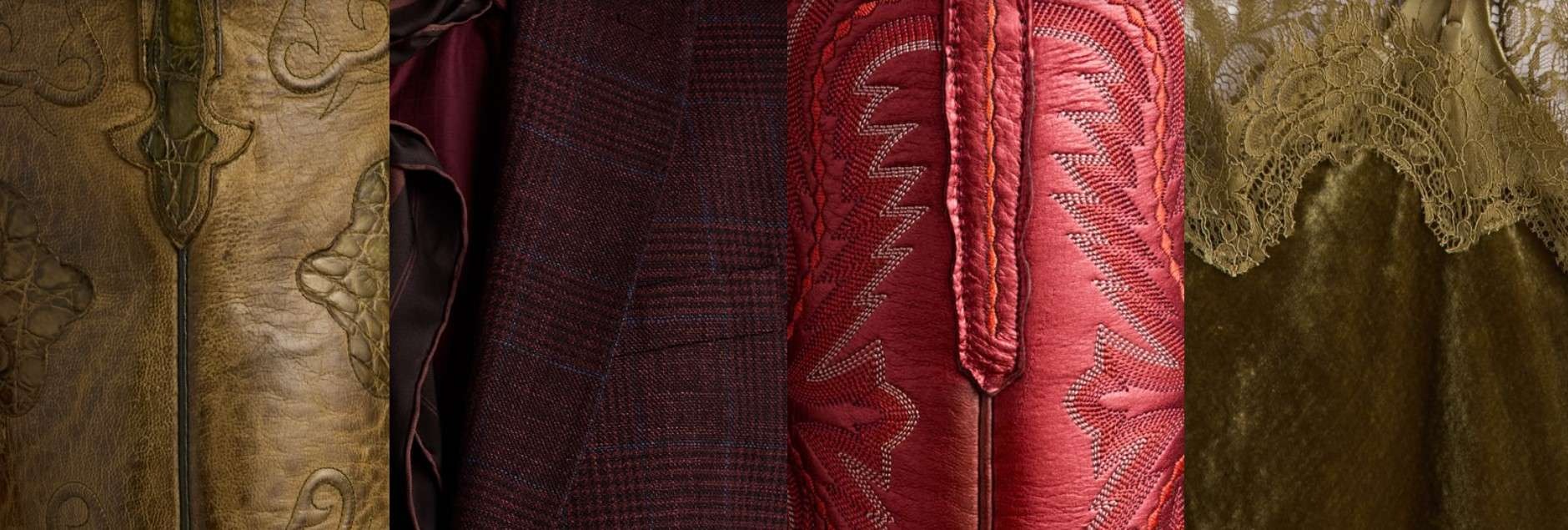
Founded by Sicilian immigrants in 1883, the Texas bootmaker has spent more than 140 years combining traditional craftsmanship, innovation, and the enduring appeal of Western culture.
Few Texas businesses have a history as closely intertwined with the American West as Lucchese Bootmaker. What began as a small San Antonio workshop serving cavalry soldiers has evolved into an internationally recognized luxury footwear brand.
Along the way, Lucchese has outfitted ranchers, entertainers, military leaders, and U.S. presidents. Its story reflects the evolution of Texas itself, from frontier military outposts and cattle ranches to modern fashion and global commerce.
An Immigrant's Vision Takes Root
The company's origins trace to Salvatore "Sam" Lucchese, born in Palermo, Sicily, in 1868, into a family familiar with shoemaking.
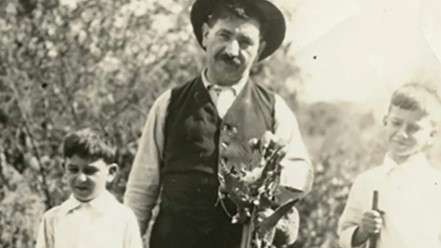
After immigrating to Texas, Sam and his brother Joseph established a bootmaking shop near Fort Sam Houston in San Antonio in 1883.
Their earliest customers included cavalry soldiers who needed durable, comfortable footwear capable of withstanding long hours on horseback.
Lucchese's approach combined traditional European craftsmanship with the practical demands of the American frontier. Quality leather, precise construction, and attention to fit became distinguishing characteristics.
By 1897, company records documented a customer named W. Shock purchasing kangaroo-skin boots for $9. In 1910, a customer from Mexico became the company's first recorded international buyer.
The growing reputation eventually attracted prominent Texas ranching families, including the Klebergs of King Ranch.
Craftsmanship as a Competitive Advantage
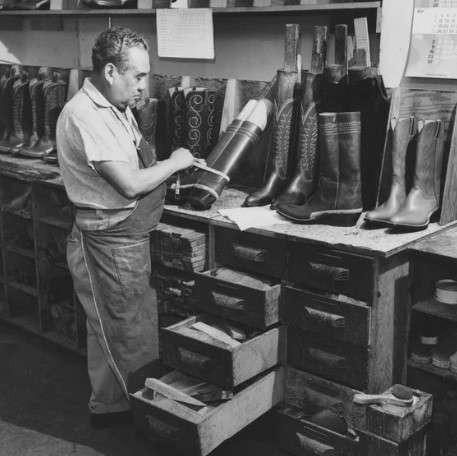
Lucchese's reputation rests largely on construction methods refined over generations.
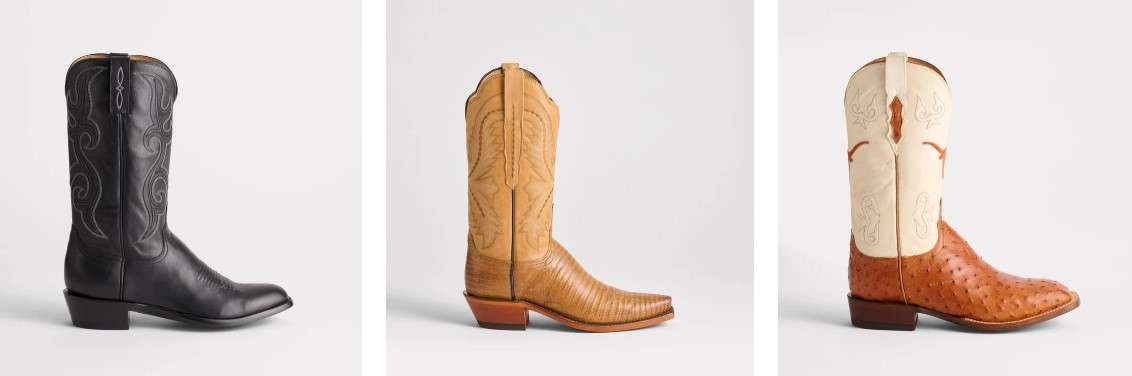
Its signature twisted-cone last, a foot-shaped form used during boot construction, helps produce the distinctive fit associated with the brand.
Traditional techniques include carefully selected leather, detailed stitching, and lemonwood pegs that accommodate the natural movement of the boot.
Producing a pair involves hundreds of individual steps, reflecting an approach that emphasizes workmanship over mass production.
That attention to detail helped Lucchese move beyond utilitarian ranch footwear into a category where boots could also represent personal style, craftsmanship, and status.
From Ranches to Hollywood
By the 1930s, Lucchese was attracting customers beyond the ranching community.
Actress Josephine Hutchinson purchased boots in 1934, followed by entertainer Bing Crosby in 1942. Over subsequent decades, the company's clientele included Hollywood stars such as John Wayne, Gary Cooper, and Gregory Peck.
President Lyndon B. Johnson and Lady Bird Johnson were also among its notable customers.
In 1949, the company began its State Boots Collection, featuring elaborate designs celebrating American states through their distinctive symbols, flowers, and birds.
The collection demonstrated how functional footwear could become an expression of artistic craftsmanship.
Generations of Change
Following Sam Lucchese's death in 1929, his son Cosimo carried the business forward. A third generation, Samuel J. Lucchese, assumed leadership after Cosimo's death in 1960.
Ownership changed in 1970 when the company was sold to Blue Bell, the parent company of Wrangler.
In 1986, Lucchese relocated its headquarters to El Paso, strengthening its connection to another Texas city with a longstanding bootmaking tradition.
The company subsequently expanded its luxury positioning while retaining the craftsmanship associated with its original San Antonio workshop.
A Texas Legacy With International Reach
Today, Lucchese represents a distinctive combination of Western heritage and luxury retail.
Recent collaborations with musicians, professional sports organizations, and fashion personalities have introduced the company to audiences far removed from its original cavalry customers.
Yet its fundamental identity remains tied to the craftsmanship established in San Antonio more than 140 years ago.
Lucchese's longevity illustrates how a business can evolve through changing ownership, consumer preferences, and markets while preserving the characteristics that made its products distinctive.
From a modest immigrant-owned workshop to an internationally recognized name, Lucchese remains an enduring example of Texas entrepreneurship and American craftsmanship.
For more information, visit Lucchese Bootmaker.